Opposite to Emotion Action
“If you want to conquer fear, don’t sit home and think about it. Go out and get busy.” – Dale Carnegie
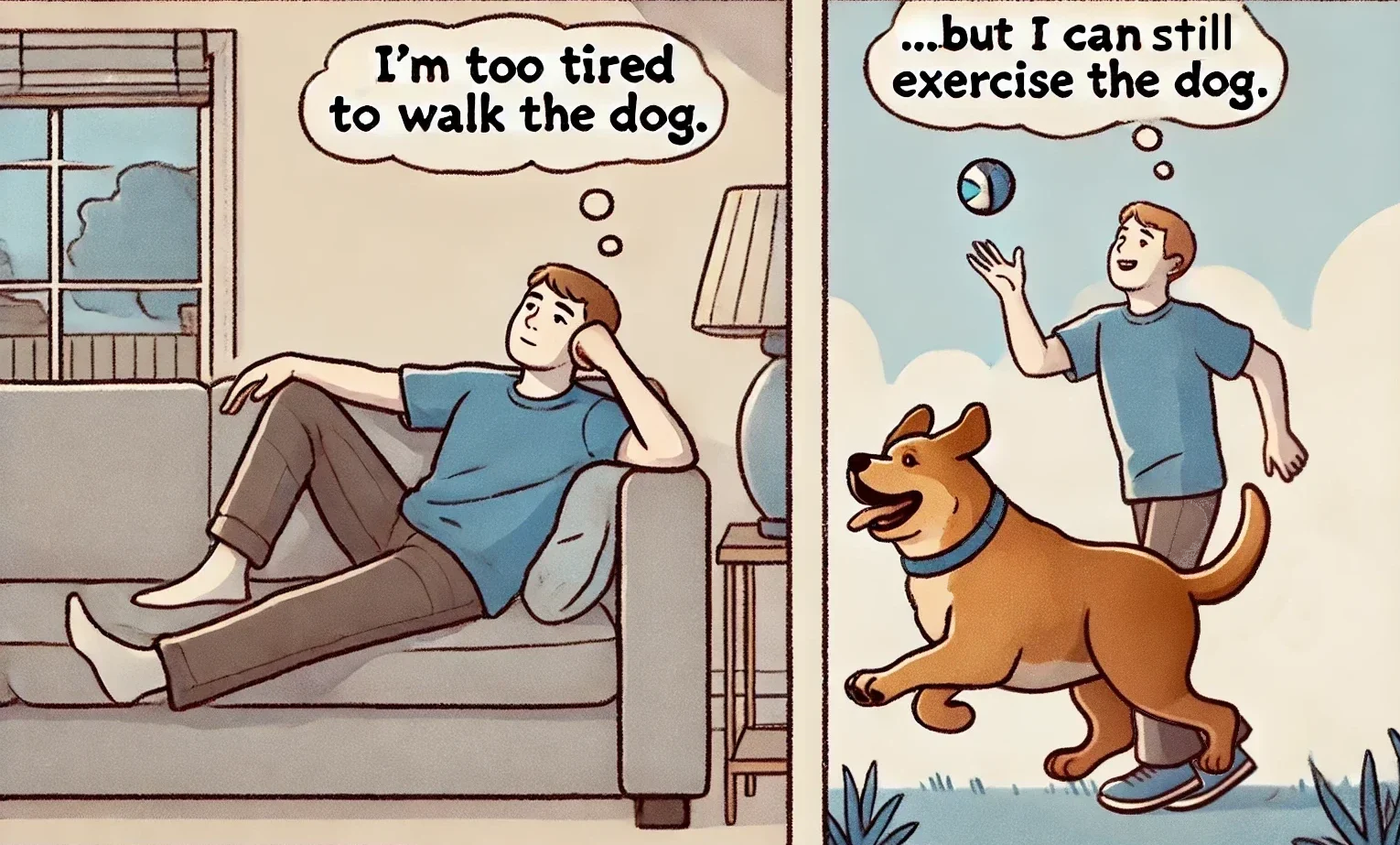
Strong emotions often come with action urges – for example, when we’re afraid, we want to flee; when depressed, we want to hide; when angry, we want to fight or yell. In Dialectical Behavior Therapy (DBT), “Opposite to Emotion Action” (often just called Opposite Action) is a skill that helps you cope with difficult feelings by deliberately doing the opposite of what the emotion is telling you to do. This doesn’t mean ignoring or invalidating your feelings – it means gently choosing a different response when acting on the emotion would be unhelpful or harmful. By changing your behavior, you can actually change the intensity of the emotion itself. It’s a way to “break the cycle” when your emotional instincts might lead you in the wrong direction.
Opposite Action is part of DBT’s Emotion Regulation strategies. It’s based on the observation that our emotions and behaviors influence each other in a loop. Sometimes, following an emotion’s urge makes the emotion stronger or keeps us stuck (e.g. isolating when sad often deepens the sadness). DBT teaches that if an emotion is inappropriate for the situation or is too extreme, you can intentionally choose an opposite behavior to help diminish that emotion. For example, if anxiety tells you “Avoid that social event,” Opposite Action would be to approach and attend the event (assuming it’s safe) – which can reduce the fear over time by proving that the feared outcome often doesn’t happen. If you’re angry and feel like lashing out, the opposite action might be to literally soften your body, speak gently, or even walk away calmly, thereby cooling the anger instead of feeding it. This skill works best after you’ve Checked the Facts (another DBT skill) or Identified Cognitive Distortions (a CBT skill) to confirm the emotion isn’t fully justified by the situation. When the emotion is justified but acting on it would have negative consequences, Opposite Action is still useful to choose a healthier response. It’s a powerful way to practice that you are not helpless in the face of overwhelming feelings – by changing your behavior, you can influence how you feel.
How to Try Opposite to Emotion Action
- Name What You’re Feeling: Start by noticing what emotion is showing up — maybe sadness, anger, fear, guilt, or something else. Along with each emotion usually comes an urge: fear might urge you to hide, anger might urge you to yell, sadness might make you want to stay in bed. It helps to say it to yourself: “I’m feeling really anxious and I want to avoid everything,” or “I feel hurt and I just want to shut everyone out.” This step is just about noticing — not judging yourself for how you feel.
- Check In with the Situation: Ask: “Does this emotion fit what’s really happening?” Sometimes emotions come from past experiences or painful thoughts, even when the current moment doesn’t match. Other times the emotion might make sense, but reacting to it impulsively could make things worse. For example, if you feel ashamed for something that wasn’t actually your fault, or if you’re so angry you want to lash out but know it wouldn’t help — that’s a sign Opposite Action might be useful. (And if your emotion fits and your reaction feels helpful, that’s okay too — this skill is just one option.)
- Choose the Opposite of the Urge: Ask yourself, “If I did the opposite of what this feeling is pushing me to do, what would that look like?” For example, if the urge is to hide, the opposite might be stepping outside for a short walk. If shutting down feels easier, the opposite could be something as simple as sending a quick message to a friend or turning on music. When anger shows up and you feel like yelling, the opposite action might be to speak more slowly, or to take space with kindness. And if guilt feels especially heavy, the opposite may be practicing self-compassion instead of self-punishment. Opposite Action isn’t about pretending to be fine — it’s about gently doing something that moves you out of the cycle your emotion wants to keep you in. Even a small shift can help.
- Try the Opposite – Even Just a Little: Doing the opposite of your urge can feel strange at first, especially if your feelings are intense. That’s normal. You don’t have to feel ready — just take a small step in the direction of your opposite action. If you’re overwhelmed, break it down: instead of a long conversation, maybe you just smile at someone or say hello. If you feel too low to go outside, maybe open a window and breathe for a moment. You don’t have to be “all in” to try — just leaning toward the opposite is often enough to shift something.
- Notice What Shifts (Even Subtly): After trying the opposite action, check in. Did anything feel even slightly different? Sometimes the emotion softens right away — other times it takes a few tries or builds over time. You might feel a little lighter, more in control, or just proud that you made a different choice. That’s progress. Small changes add up. Each time you practice this skill, you’re giving your brain a new path to follow — one that doesn’t just react, but responds with care and intention.
Example Scenario
David has been afraid of elevators ever since a bad experience years ago. Today, he has a doctor’s appointment on the 10th floor. His first instinct is to take the stairs or cancel entirely. But after thinking it through, he reminds himself the elevator is actually safe — it’s just his fear talking. So he does the opposite: he steps inside, heart pounding, and stays on until the 10th floor. He focuses on his breathing and stands tall instead of shrinking back. By the time he gets there, his fear has eased a bit — not gone, but more manageable. Later that day, a wave of sadness hits and he feels like staying in bed. Instead, he turns on a funny show and forces a small smile. It feels fake at first, but soon he’s actually laughing — and the sadness softens. These small choices help shift the emotional tide.
Resources
App: “DBT Coach“. Contains interactive prompts for Opposite Action. For example, if you mark that you’re anxious, it will suggest an opposite action (like “approach what scares you for 5 minutes”) and guide you through it.
Article: “Opposite Action: A DBT Skill for Overwhelming Emotions” by Charlie Health Editorial Team. Explains the theory and benefits of opposite action and provides real-life scenarios of using it.
Video: “Opposite Action” by DBT Skills from Experts (2020). An educational YouTube video demonstrating how to apply opposite action for emotions like fear and anger.
Book: “The Dialectical Behavior Therapy Skills Workbook” by McKay et al. (2019). Contains a chapter on emotion regulation with Opposite Action exercises and practical tips.