Radical Acceptance
“God, grant me the serenity to accept the things I cannot change, courage to change the things I can, and wisdom to know the difference.” — Reinhold Niebuhr
Radical Acceptance is a key skill in Dialectical Behavior Therapy (DBT) that means truly accepting reality as it is right now – without resisting, complaining, or wishing things were different. It’s called “radical” because it’s all-or-nothing. There’s no such thing as partial acceptance – true acceptance means embracing the reality of a situation, no matter how hard, without fighting against it. This doesn’t mean you approve of it, or that you have to like what’s happening – it just means you acknowledge, “This is the reality, and I can’t change that it’s real.” By doing this, you stop wasting energy fighting what you can’t control, and instead, focus on how to cope or what to do next.
Why practice radical acceptance? Because when we resist reality – for example, constantly thinking, “This isn’t fair!” about something we can’t change – we add suffering on top of pain. As a DBT saying goes, “Pain + non-acceptance = suffering.” Think of it this way: You get a flat tire. The pain is the inconvenience of fixing it. If you accept it by saying, “Ugh, this sucks, but it happens, I’ll deal with it,” you’re dealing with the pain. But if you resist by saying, “Why today? This shouldn’t be happening! I can’t handle this!” you just create more suffering with anger and frustration. Radical acceptance is about reducing that extra suffering by simply accepting the pain that’s already there.
Practicing radical acceptance can be as simple as saying to yourself, “It is what it is. This is the reality, and I can’t change that it happened.” For example, after a difficult breakup, someone can practice radical acceptance by saying, “The relationship is over. I don’t like it, but I accept that it ended.” This helps them stop obsessing over “what if” scenarios or checking their ex’s social media, and instead, they can focus on feeling their sadness and eventually moving forward. Radical acceptance isn’t easy, especially with big issues like loss, trauma, or injustice. It often takes practice – you may need to re-accept the situation each day or every time you feel yourself resisting. But each time you do, it gets easier to let go of the pain and focus on what comes next.
It’s also important to remember that radical acceptance doesn’t mean giving up or doing nothing. In fact, it’s often the first step toward wise action. When you accept reality, you free up your energy to take effective action. For example, if someone is diagnosed with a chronic illness, radical acceptance means acknowledging, “I have this illness” (instead of denying it and thinking, “This can’t be true!”). Once they accept it, they can focus on treatment or lifestyle changes, instead of avoiding what they need to do. In short, radical acceptance is about saying “Yes, this is how it is” in your mind, so you’re not stuck in denial or bitterness. It’s a kind of courageous letting go – letting go of the fight with reality – which often brings peace and relief. As the Serenity Prayer and DBT wisdom remind us, accepting what we can’t change is a cornerstone of finding inner peace.
It is what it is. Now what?…
Steps to Practice Radical Acceptance
- Observe Your Fighting Reality: Notice when you’re resisting something, like thoughts of “This isn’t fair!” or physical signs like tension. When you catch yourself resisting, acknowledge it: “I’m fighting against something I can’t change.” This awareness helps shift toward acceptance. For example, if it’s raining on the day of your event, stop and think, “I can’t change the rain, so fighting it isn’t helping.” That sets the stage for acceptance.
- Use Acceptance Language: Tell yourself statements that acknowledge reality. Some effective phrases: “This is the way it has to be right now.”, “I don’t approve of this, but I accept that it happened.”, “This situation is happening.” You might even say, “I’m choosing to accept [the reality]” as a form of willingness. Doing this repeatedly can help rewire your thinking. It’s like a mantra that gradually sinks in. Repeating this helps shift your thinking, even if it feels hard at first.
- Acceptance Does NOT Equal Liking: Remember that acceptance isn’t the same as approval. You can accept something (like a traumatic event) while still disliking it. It’s about acknowledging reality without condoning what happened. Think of it like this: acceptance is facing north because that’s where you are; it doesn’t mean north is a better direction than south, it’s just reality at the moment.
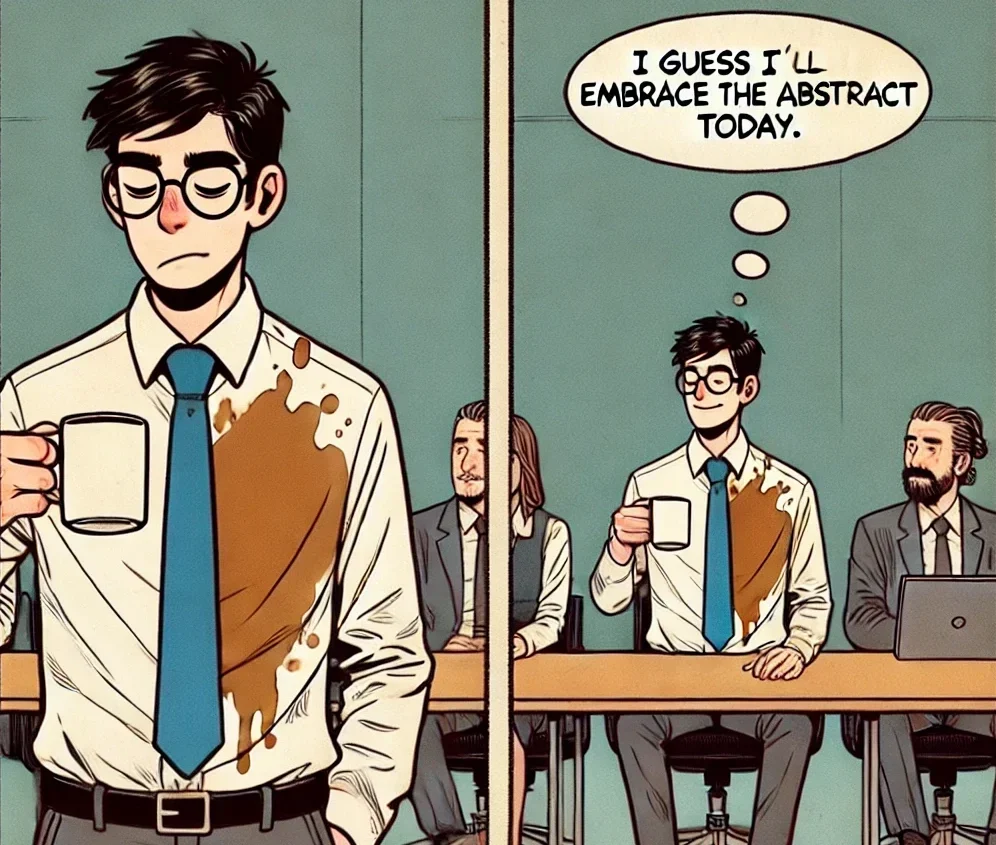
- Practice with Small Things: Start practicing with small frustrations. Spilled coffee on your shirt? “It happened. No amount of wishing will un-spill it. Let me grab a napkin and move on.” These small moments help build the habit of releasing resistance, making it easier to accept bigger challenges later.
- Use Mindfulness and Grounding: Acceptance requires being in the present, not fighting the past or future. Try a simple grounding exercise: notice 3 things you see, 3 things you hear, and take 3 slow breaths. Acknowledge the reality of the moment (e.g., “I am here, safe, right now”). If you’re dealing with something like a loss, you might mindfully sit with the feeling of grief rather than the thought “It shouldn’t have happened.” Emotions, though painful, are part of reality, and it’s often easier to accept them by focusing on one feeling at a time. By observing your feelings with compassion, you’re indirectly accepting the reality that caused them. For example, you might breathe in and think, “I’m feeling sad – it’s okay to feel this, it’s a natural response to what happened.”
- Write an Acceptance Statement: If something’s weighing on you, write a “Radical Acceptance Statement.” For example: “I accept that I was laid off. I don’t like it, but I can’t change it. I’ll focus on what I can control.” Writing and reading it aloud can help release resistance and refocus on acceptance. Writing this out (and even reading it aloud) can feel like a release. If emotions like anger or sadness come up while writing, allow them – that’s part of the acceptance process.
- Notice the Difference Acceptance Makes: Think about a time you refused to accept something. How did that feel? Did it improve anything, or just ruin your day? Now think of a time you consciously accepted a hard situation. How did that feel? Usually, non-acceptance brings tension, bitterness, maybe a feeling of being stuck. Acceptance often brings at least a tiny drop of peace or relief – maybe not happiness, but a sense of clarity or release. By comparing, you tangibly see that acceptance helps you suffer less.
- One Day/Hour at a Time: Radical acceptance, especially of big things (e.g., chronic illness, a breakup, losing a loved one), is not a one-and-done deal. You might have to commit to it over and over, sometimes each day or each hour. Take it as “just for right now, I will accept that this is where things are.” The future can be dealt with later.
- Seek Support for Acceptance (if needed): Sometimes realities are so painful that we need support to reach acceptance. Talking to a therapist, counselor, or support group can help you process through the stages (often we need to go through shock, denial, anger, sadness before arriving at acceptance). DBT specifically encourages pro-social coping. So if you find you just “can’t accept” something yet, it might be a sign to reach out. Even telling a friend, “I’m struggling to accept X happened” is a step in the right direction. They might provide perspective or just comfort, which can make radical acceptance feel less like surrendering alone in a battle. You’re not alone – plenty of others have faced learning acceptance of tough realities, and their wisdom and empathy can guide you.
Example Scenario
Elena’s 20-year marriage ended when her husband left without warning. For months, she was consumed by thoughts like, “This can’t be happening, he’ll come back, this isn’t how my life is supposed to go.” She checked his social media obsessively and kept asking, “Why me?” Her refusal to accept the divorce kept her emotionally stuck in the past. She wasn’t moving forward—just frozen, bitter, and resisting what was happening. In therapy, her counselor introduced the idea of Radical Acceptance. At first, Elena resisted: “Accept it? Does that mean I’m okay with it? No way.” The therapist explained that acceptance wasn’t approval, but rather acknowledging reality so she could start healing. They practiced by having Elena repeat, “My marriage is over. I don’t understand it or like it, but I accept that it’s happened.” At first, it was incredibly painful – she’d sob while saying it, like swallowing something sharp. But each morning, she kept trying.
One day, feeling overwhelmed by loneliness, Elena found herself spiraling into the same old “This shouldn’t be my life” thoughts. She realized that this mental resistance was just making her feel worse. She took a moment, closed her eyes, and took a deep breath. Quietly, she said aloud, “It is what it is. This is my life right now. My husband is gone.” She repeated it a few times. Her tears came, but strangely, the internal struggle softened—it was pure grief, not mixed with denial or bargaining. She felt a slight release in her chest. That night, she journaled: “I am beginning to accept that he’s not coming back. This is the reality I have to live with.” Facing that truth, though painful, brought a sense of relief—it felt like she could stop waiting and start figuring out what came next.
Over the next few weeks, whenever Elena caught herself thinking, “It shouldn’t be this way,” she’d pause and picture a big ‘ACCEPT’ stamp on the situation. She’d remind herself, “This is how it is. Now what?” Gradually, this helped her shift focus. She finally signed the divorce papers and decided to sell the house—something she had resisted for a long time. With acceptance, she began to feel empowered: “Okay, this is happening, so I’ll make the best decisions I can.” She joined a divorce support group, and sharing her story (“Yes, this happened to me”) helped her solidify her acceptance. One day, after a session, Elena realized she hadn’t thought “this can’t be my life” in weeks. Instead, she was focused on “This is my life—how do I rebuild?” That shift from fighting reality to facing it head-on was how she knew radical acceptance had taken root. Life still had its painful moments—she missed her old life at times—but she wasn’t adding extra suffering by resisting what had already happened.
Elena described it to a friend: “It’s like I was stuck at a door that wouldn’t open, pulling and pulling. Acceptance was me finally realizing, ‘The door is locked,’ and turning around to see other doors open for me.” Through radical acceptance, she found a way forward and a sense of peace with what she couldn’t change.
Resources
Support Group or Online Community: Consider joining a group like Al-Anon or other 12-step communities, especially if you’re dealing with a loved one’s addiction. These groups emphasize the importance of acceptance, with the Serenity Prayer often at the center of their practice. Sharing experiences in these settings—whether in person or online—can help you learn to accept what you can’t control. They often remind members, “You didn’t cause it, you can’t cure it, you can’t control it,” which reinforces the power of letting go. If in-person groups aren’t accessible, online communities like Reddit or Facebook offer spaces to connect with others who are navigating similar struggles and practicing acceptance.
Book: “Radical Acceptance: Embracing Your Life with the Heart of a Buddha” by Tara Brach (2003). This book offers a profound exploration of self-acceptance, combining personal stories, Buddhist teachings, and practical guidance to help readers embrace their lives fully.
Video: “The Life-Changing Practice of Radical Acceptance” by Maria Milagros Vazquez (TEDx, 2023). A personal account of how radical acceptance helped an individual navigate the challenges of an abusive marriage, leading to healing and empowerment.
Video: “The Importance of Radical Acceptance” by Kiyomi Johnson (TEDx, 2022). A discussion on the significance of radical acceptance in mental health and personal growth.
Video: “Radical Acceptance DBT Coping Skills for Kids | Turning the Mind” by Mental Health Center Kids (2024). A child-friendly explanation of radical acceptance and its application in managing emotions.
Podcast: “Episode 111: How Radical Acceptance Can Reduce Your Suffering” by Amy Morin with Verywell Mind (2021). This episode discusses how radical acceptance can help reduce emotional suffering and improve mental health.
Website: “12 Radical Acceptance Worksheets For Your DBT Sessions” by Katherine Compitus with PositivePsychology.com (2020). Offers a structured format to identify distressing situations and practice radical acceptance techniques.
Article: “Radical Acceptance Practice” by Alyssa Mairanz with Empower Your Mind Therapy. Guides you through identifying situations requiring acceptance and practicing coping strategies.
Article: “Radical Acceptance in a Time of Uncertainty” by Andrew Harris with HopeWay (2024). Outlines a step-by-step approach to practicing radical acceptance in daily life.
Article: “A Beginner’s Guide to Radical Acceptance in DBT” by The Wellness Society. Provides an introduction to radical acceptance and tips for incorporating it into your routine.